






Chinese Passenger Car Export Inspection Standards Interpretation
Yuxuan
2026-11-11 14:56:27
Import and Export Co., Ltd









How to inspect cars before export them from China? As Chinese government required,all cars exported from China need to be no accident,no fire and water damage.To make sure t
As Chinese government required,all cars exported from China need to be no accident,no fire and water damage.To make sure the cars meet these requirements,we must do inspection for every car before export.Only if the inspection report shows that the car has “no accident,no fire and water damage”,then we can apply export license for the car.
All inspection is conducted by authoritative, well-known, and reliable third-party inspection organizations(Like Dr.Cha,Car 300).According to different customer’s requirements,usually here are 2 types of inspection:
✅ Accident Car Inspection:
A total of 70 inspection points—covering structural components such as the front and rear longitudinal members, upper and lower side members, A/B/C/D-pillars, and shock absorber mounts, as well as reinforcement components including the firewall, radiator support frame (non-detachable), fender structures, and rear bulkhead—were examined no signs of cutting, welding, replacement, deformation, or bodywork repairs
✅ Flood-Damaged Car Inspection:
A total of 31 inspection points—including seat rails, foam padding, seat belts, carpeting, vehicle body cavities, the floor pan, and relevant wiring harnesses and electrical components—were examined for signs of water damage. No evidence of corrosion, silt, standing water, discoloration, or mold resulting from water exposure was found.
✅ Fire-Damaged Car Inspection:
A total of 23 inspection points—including engine compartment piping, cockpit wiring harnesses and trim panels, fuel tanks and lines, luggage compartment wiring harnesses and trim panels, and various exterior body panels—were inspected for fire damage. No signs of soot staining, scorching, ablation, or melting resulting from fire exposure were observed.
Except the “Major Issues Inspection”,plus:
✅ Exterior Inspection:
Exterior components to be inspected primarily include: front and rear fenders, front and rear bumpers, doors, the hood, the trunk lid, the roof, the outer surfaces of the A, B, C, and D pillars, and vehicle glass.
In the course of daily use, minor scrapes and bumps are almost inevitable, and damage to exterior components is common; such damage generally affects only the vehicle's appearance rather than its safety. Typical issues include: scratches, abrasions, deformation, dents, scrapes, signs of removal or replacement, repainting, and bodywork repairs (panel beating).
✅ Interior Inspection:
Exterior components to be inspected primarily include: pillar trim panels, door trim panels, seats, the dashboard, the glove box, carpeting, the headliner, interior door handles, and sun visors.
During daily vehicle use, interior components may experience some wear; this is a natural occurrence resulting from regular use and does not affect the vehicle's normal operation. Common issues encountered with interior components include damage, missing parts, cracking, and deformation.
✅ Engine Inspection:
Key engine components to inspect include the valve cover, front cover, pawls (or similar mechanical latches/catches), oil pan, intake and exhaust manifolds, and the turbocharger.
During daily operation, as a vehicle ages and its mileage increases, it is normal for some fluid seepage to occur. This is often due to the natural aging of engine seals over time. Some instances may require only minor maintenance or preparation to resolve, while others may simply be traces of past repairs; none of these issues typically affect the vehicle's normal operation.
Common findings during an engine inspection include traces of fluid seepage, signs of disassembly, parts replacement, modifications, or physical damage.
✅ Gear Box Inspection:
Key components to inspect on a transmission(Gear Box) include: the transmission housing, valve body cover, oil pan, and parking pawl.
Common issues or conditions involving a transmission include: leakage, removal (disassembly), damage, and replacement.
✅ Chassis Inspection:
Key components to inspect in the vehicle chassis include: wheel hubs, tires, suspension, drive shafts, axle shafts, front and rear subframes, differentials, steering gear, steering tie rods, and ball joints.
Common issues found on a vehicle chassis include: deformation, scrapes/scratches, signs of removal, replacement, and fluid leaks.
✅ Dashboard Mileage-Changing Inspection:
A vehicle is considered to have a mileage-changing if its actual mileage differs from the mileage displayed on the dashboard. In the used car market, this typically manifests as the displayed mileage being lower than the actual mileage.
Mileage-changing is assessed by inspecting the condition of the vehicle’s interior and exterior trim, dashboard, and other components, as well as by analyzing data from the vehicle’s onboard systems.
Mileage-changing Verification Items (13 Points):
1)Wear on the driver-side seat
2)Wear on the front passenger-side seat
3)Wear on the gear shifter
4)Wear on the steering wheel
5)Wear on the center console armrest
6)Wear on the brake and accelerator pedals
7)Wear on the front-left exterior door handle
8)Wear on the front-right exterior door handle
9)Verification of the dashboard
10)Verification of historical mileage data
11)Verification of mileage authenticity
12)Data retrieval from the OBD (On-Board Diagnostics) electronic module
13)Condition of the handbrake lever/button
✅ Battery Health(SOH) Inspection:
Battery state of health (SOH)—defined as the ratio of the remaining useful life to the nominal (rated) useful life—typically ranges from 0% to 100%.
If the car has been inspected before,we will send customer the detailed inspection report to check.
If not inspected before,customer can choose to pay 45$ for major issues inspection or pay 95$ for a full-car deep inspection.Inspection report can issue in 1-2 days,after customer checking if the car condition not meet their requirements,we will refund customer the inspection fee.
Yuxuan Auto guarantee all cars we export meet the global car safety standard,meet government’s and customer’s requirements.If you’re looking for a reliable Chinese car export supplier,welcome to contact us!

Scan to add WhatsApp
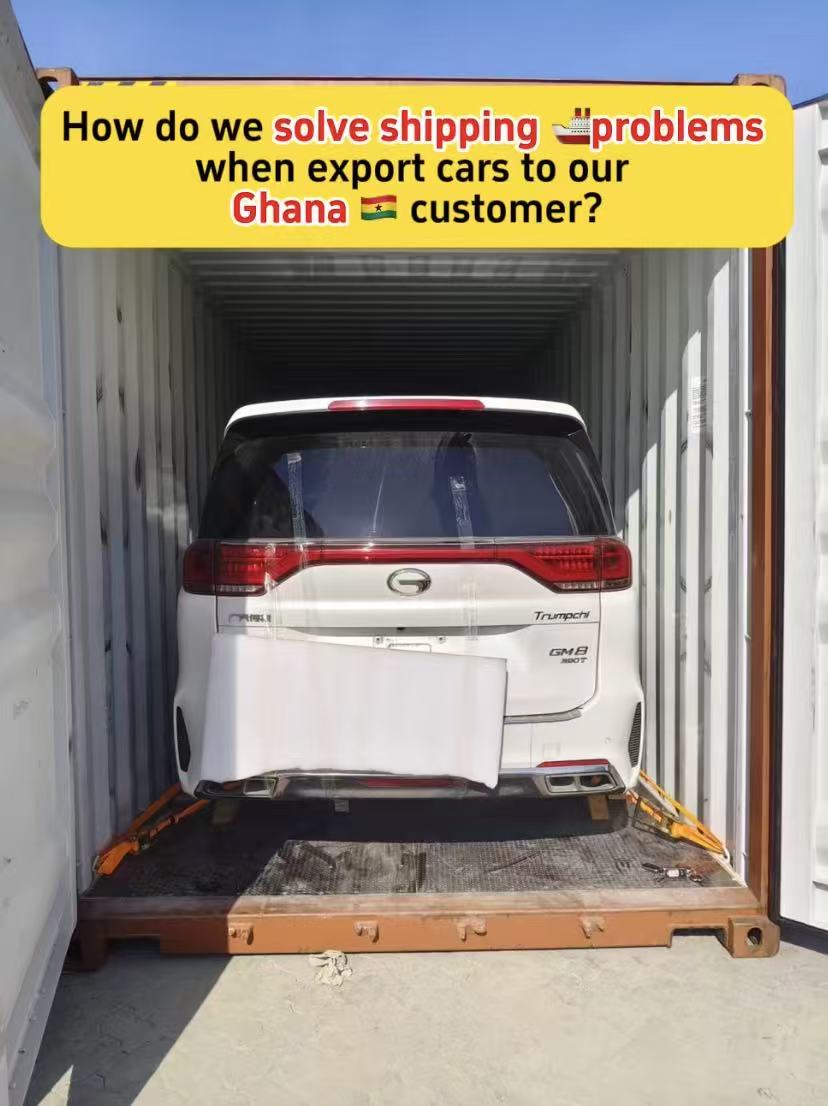
How Does YUXUAN Auto Resolve Complex Shipment Challenges When Exporting Vehicles to Ghana?

Used Mercedes-Benz Concrete Pump Truck | Nigerian Client Inspects Vehicle and Finalizes Deal with YU
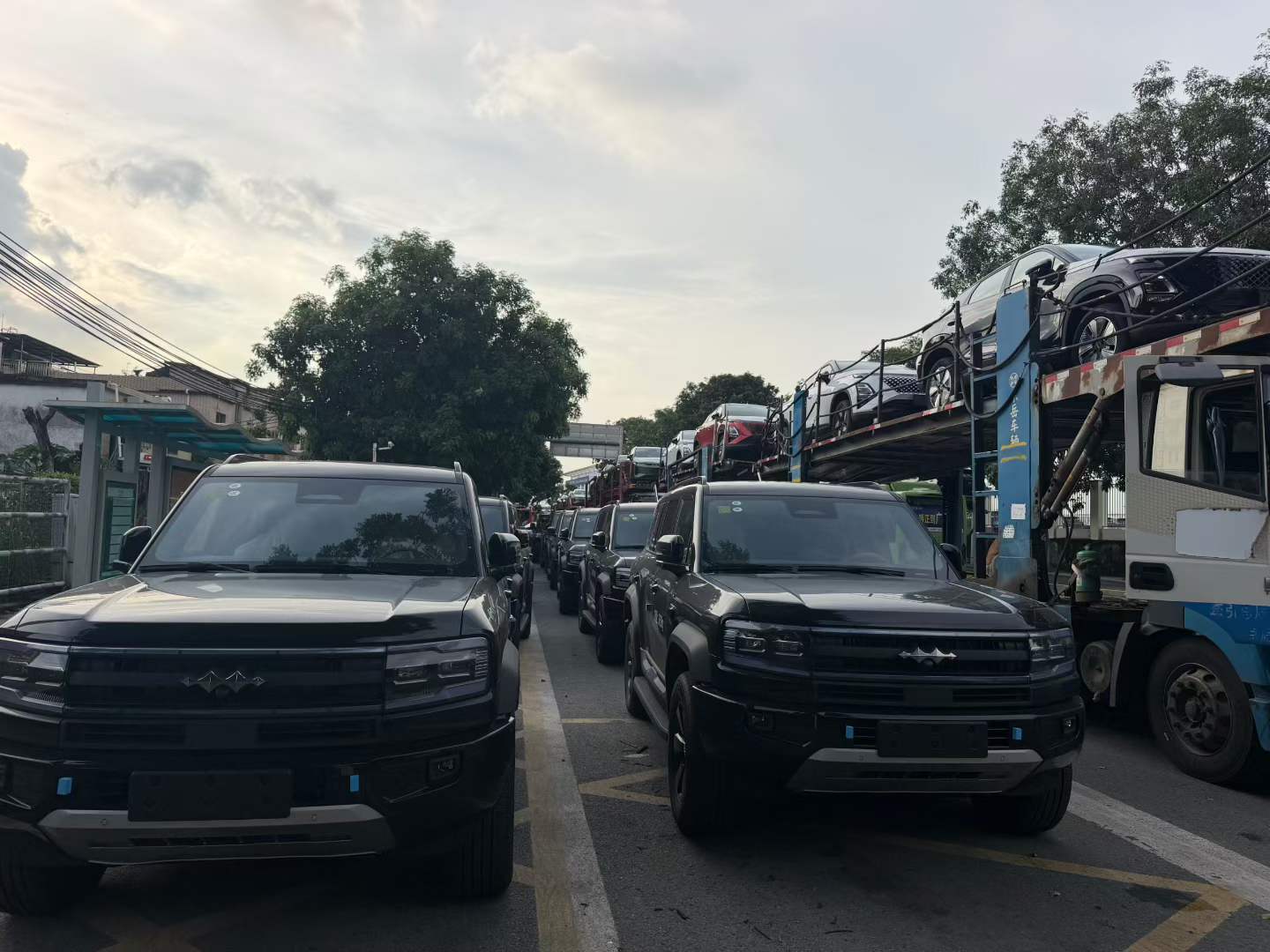
Stable Shipment of BYD Fang Leopard SUVs to Tunisia Amid Rising Freight Rates and Compliance Restric
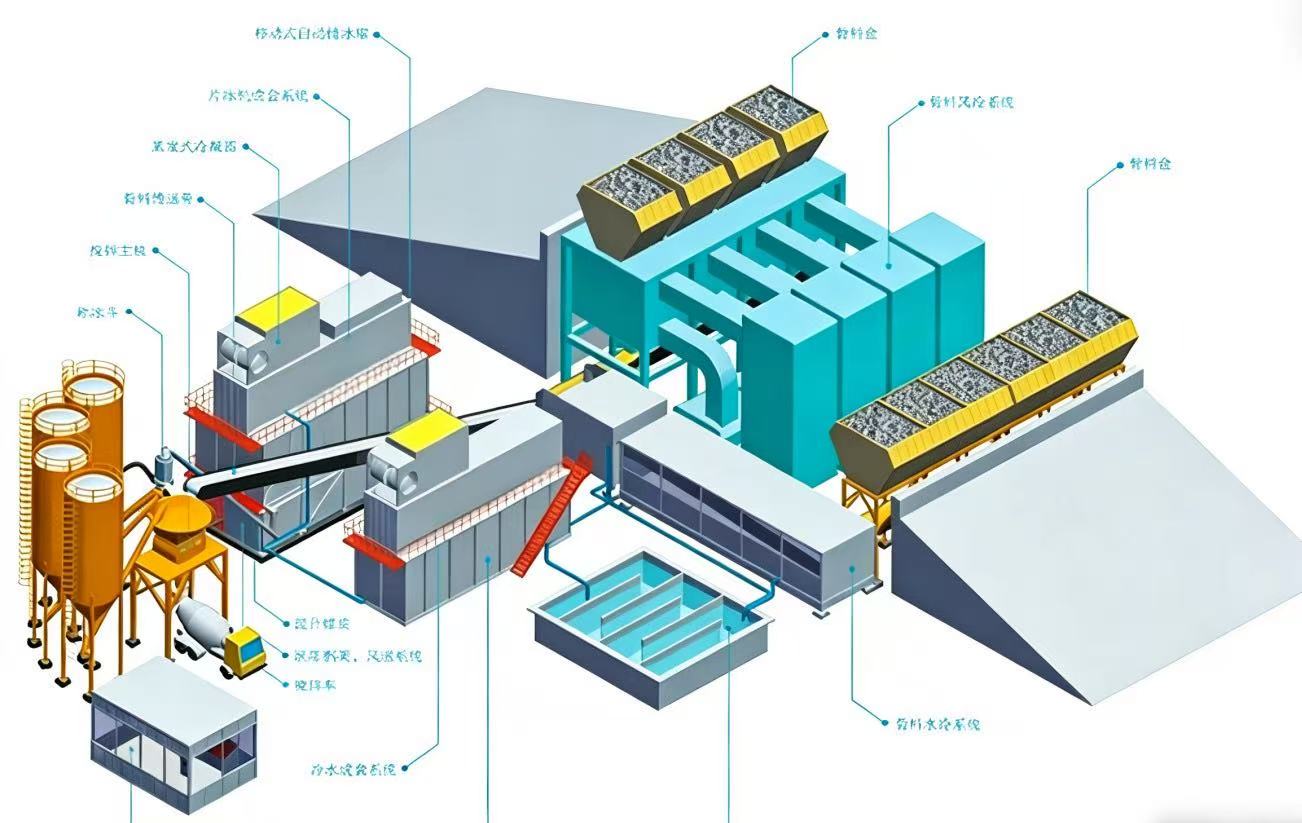
Egypt Concrete Batching Plant Design & Mixer Selection | Yuxuan Heavy Industry